


Training and Support Services for the Development of Prevention and Psychosocial Intervention Practices
Boscoville supports different environments by providing training and ongoing support for the deployment of its programs, while encouraging the adoption of best practices in prevention and psychosocial intervention.
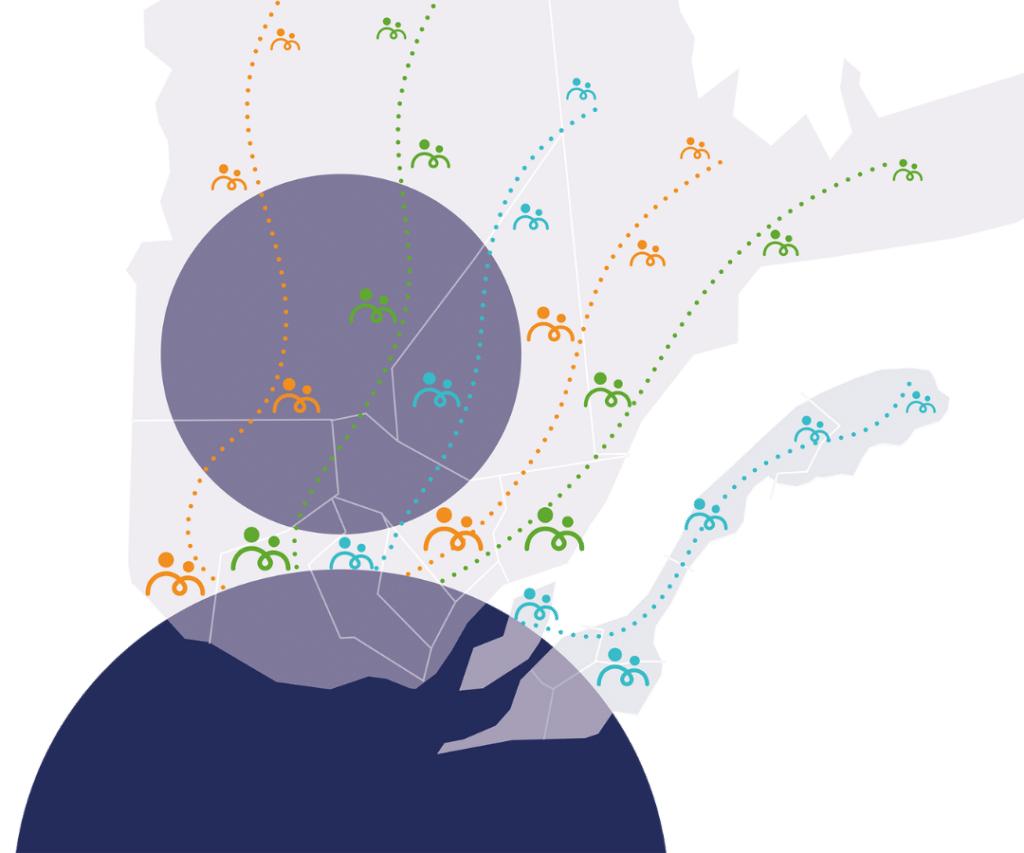
Prevention and Psychosocial Intervention Programs
Our programs are designed to encourage the positive development of young people aged 0 to 25. We offer training and support to social care professionals working with youth in different sectors, to help them adopt psychosocial best practices.
Our Three Types of Partner Environments
Boscoville supports social care professionals from the Health and Social Services Network to develop caring prevention and intervention practices, thus improving support for vulnerable young individuals and promoting their well-being.
Promote the academic and social well-being of youth from early childhood to adulthood by developing innovative psychosocial practices for professionals, guiding them towards autonomy.
Targeted and evidence-based community programs to support social care professionals working with young people and their families, aligned with local realities and community resources.
Our Three Tiers of Intervention
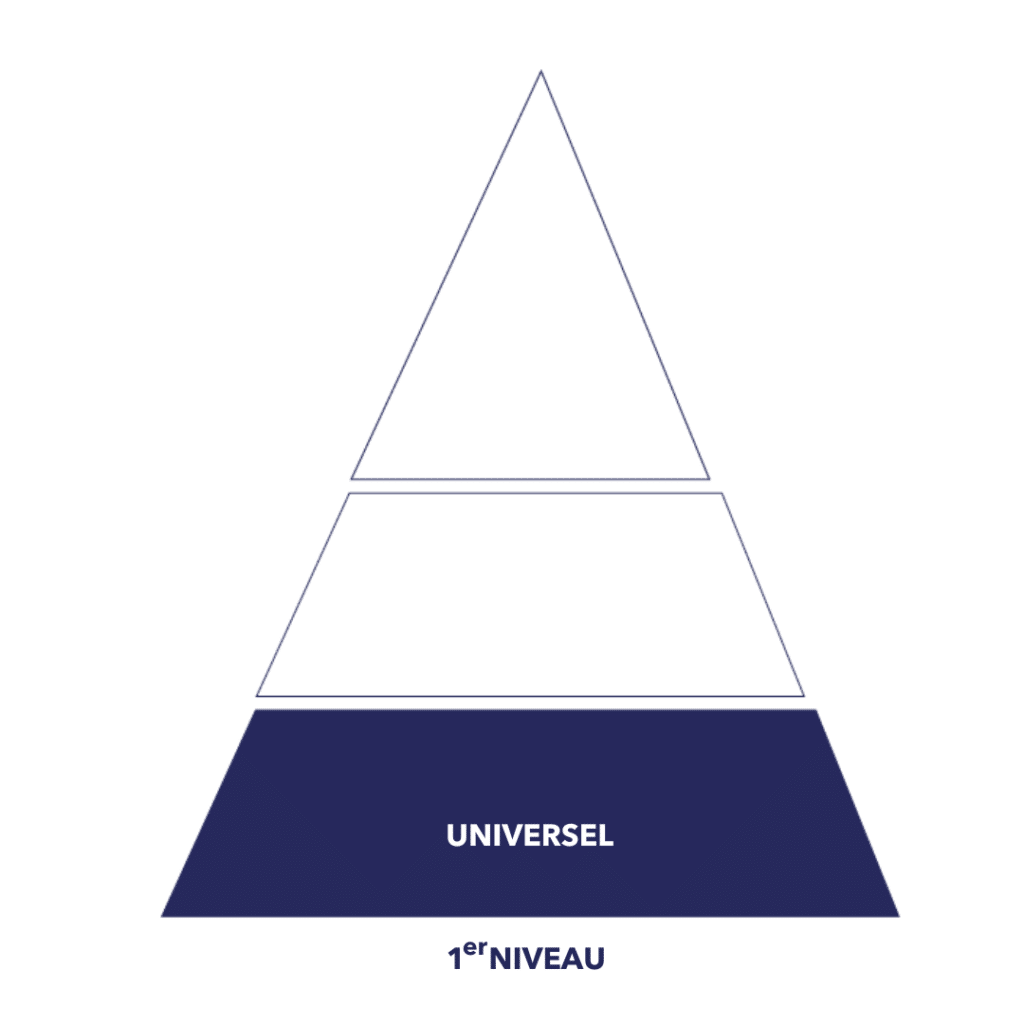
Tier 1 interventions are intended to be universal and aimed at all young people.
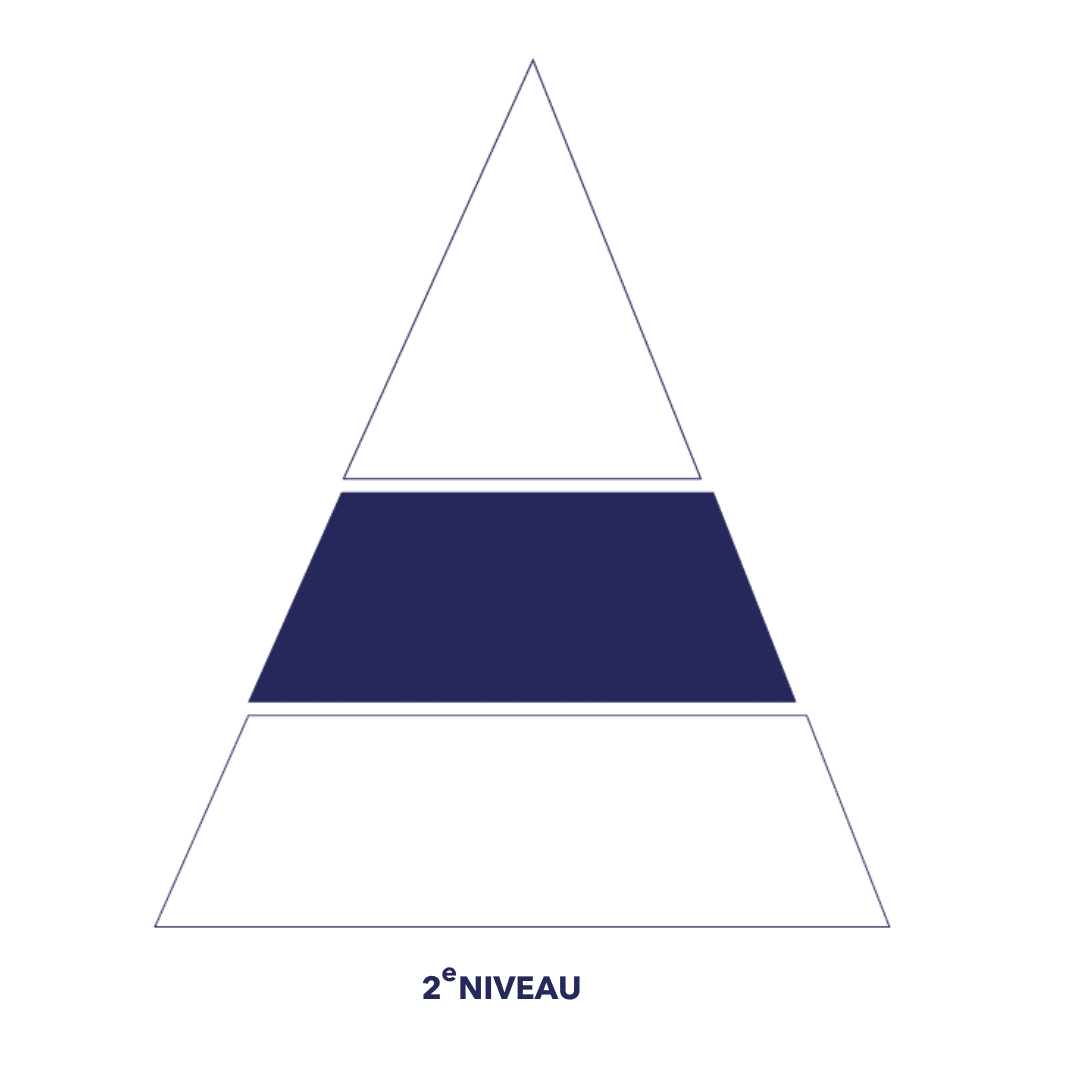
Tier 2 interventions are set for small groups of young people who continue to show problematic behaviours despite universal interventions.
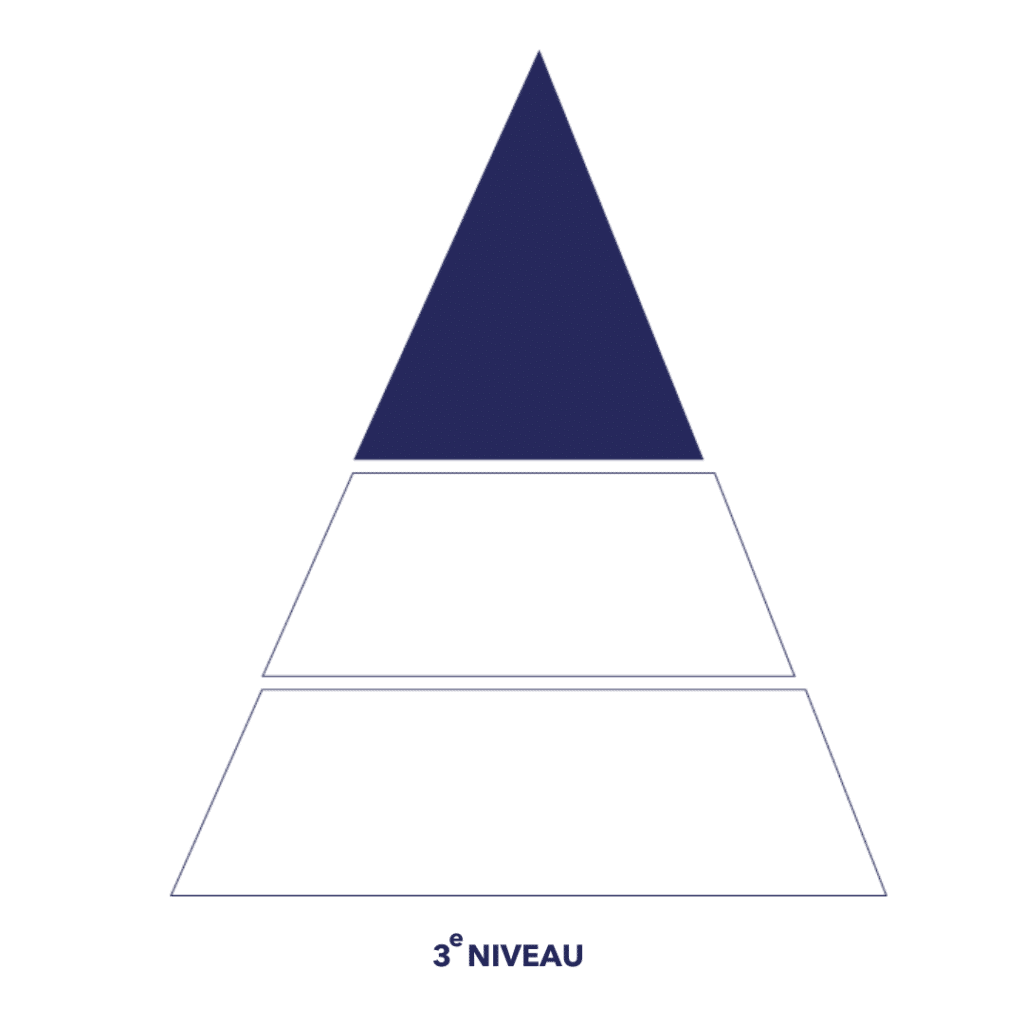
Tier 3 interventions are aimed at multi-systemic, intensive and individualized support for young people who do not respond favourably to the first two tiers of intervention.
Online Training – Prevention and Psychosocial Intervention Programs
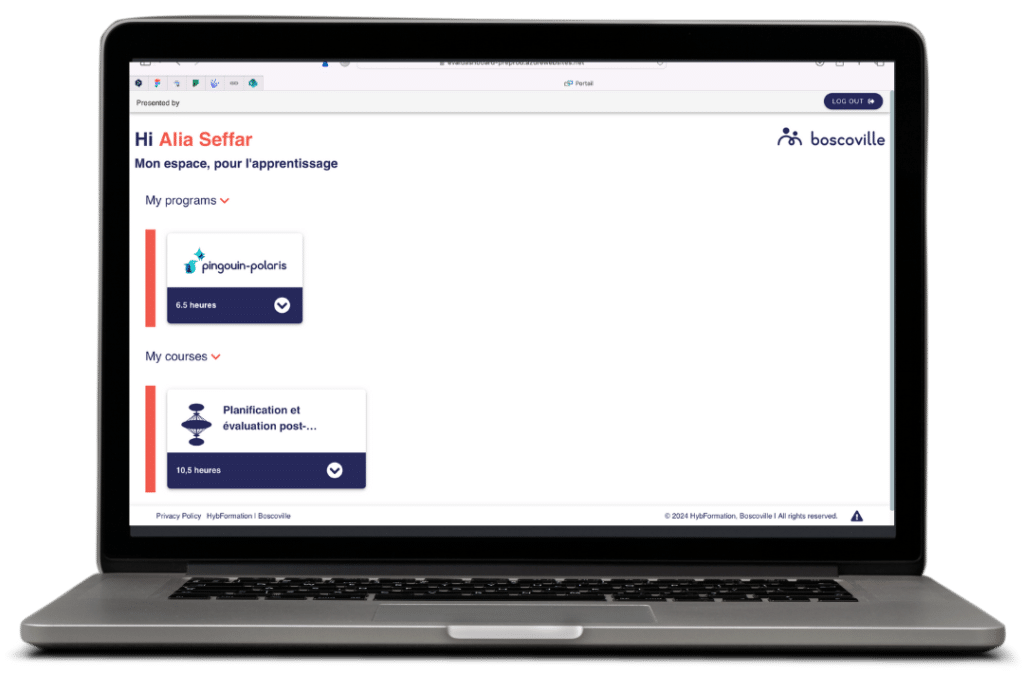
Develop your skills in psychosocial intervention and prevention, and extend your impact thanks to technological innovation.

Indigenous Initiatives
Our approach is distinguished by its flexibility and deep respect for the cultural values of Indigenous communities. This “two-eyed seeing” or Etuaptmumk approach takes into account both the traditional wisdom specific to each community and contemporary scientific knowledge.
Soon: Communities of Practice
Our Communities of Practice play a unifying role, facilitating the sharing of experience and knowledge around our programs and specific issues. They ensure frequent interaction and enable participants to learn from each other.